
What Formerly Incarcerated Individuals Need To Know To Build Their Own Business
Key Takeaways
- Formerly incarcerated individuals face a roughly 27% unemployment rate after release, making entrepreneurship a powerful alternative to traditional employment.
- Starting a business with a conviction history is legal in all 50 states, though licensing restrictions, limited capital, and credit gaps necessitate careful planning.
- The essential first steps are choosing a business structure, registering your business, obtaining a free EIN from the IRS, and writing a basic business plan.
- Record expungement or sealing can expand access to occupational licenses, funding, and other opportunities; explore eligibility in your state.
- Grants, SBA microloans, CDFI loans, and crowdfunding are all viable funding sources for formerly incarcerated entrepreneurs.
Pioneer Human Services offers the INVEST entrepreneurship program in the Seattle area, providing hands-on training, real pitch experience, and post-graduation coaching for justice-impacted individuals
Why Entrepreneurship Can Benefit Justice-Involved Individuals
The job market after incarceration isn’t welcoming. Research from the Prison Policy Initiative puts the unemployment rate for formerly incarcerated people at more than 27% — far above the general public’s rate. When finding a job after incarceration proves a challenge, some returning citizens find entrepreneurship an effective path to meaningful work.
A Wharton School study found that formerly incarcerated individuals are about 5% more likely to start their own businesses than the general public, and that for Black men with a conviction history, entrepreneurship leads to higher incomes than traditional employment.
When employers consistently close their doors, some people decide to build their own. And in every US state, that’s entirely legal.
Know What’s Actually Restricted
No law bars someone with a felony record from owning a business, but occupational licenses are a different story. Fields that commonly require state-issued licenses include:
- Cosmetology and barbering
- General contracting and electrical work
- Health care and home care services
- Transportation and commercial driving
Conviction histories can complicate eligibility in these areas. However, the Institute for Justice reports that since 2015, 40 states and Washington, D.C., have reformed licensing laws to ease these restrictions. Many states now let you petition a licensing board before completing training to find out where you stand, saving you time and tuition upfront. Research your chosen field carefully before committing.
Build the Foundation
The structural groundwork for any business is the same regardless of your background:
- Choose a business structure: Sole proprietorships are the simplest to launch; LLCs add personal liability protection as you grow.
- Register your business: Register with your state’s Secretary of State office.
- Get an Employer Identification Number (EIN): A free EIN from the IRS is required for business banking, payroll, and most grant applications.
- Open a business bank account: This step helps separate personal and business finances from day one.
- Write a basic business plan: Even two pages explaining what you sell, who buys it, and how you make money is enough to open funding conversations.
Your local Small Business Development Center (SBDC) and SCORE chapter offer free mentoring and business plan help — resources that are worth every minute.
Find Funding
Capital access is one of the toughest hurdles. Most general small business grants don’t exclude applicants with criminal records, even if few are targeted specifically at justice-impacted founders. Your best funding sources to explore include:
- Grants: Start at Grants.gov and your state’s economic development department. The National Association for the Self-Employed (NASE) offers quarterly Growth Grants of up to $4,000 with no criminal record exclusions.
- Small Business Administration (SBA) Microloans: You can qualify for up to $50,000 in loans through SBA-approved nonprofit lenders. The SBA does not automatically disqualify applicants with a felony record.
- Community Development Financial Institutions (CDFIs): These mission-driven lenders serve borrowers who don’t have conventional access to lines of credit, and many actively work with justice-impacted entrepreneurs.
- Crowdfunding: Platforms like Kickstarter or GoFundMe can be effective, especially for product-based businesses with a compelling community story.
Apply to multiple sources at once. Rejection is part of every entrepreneur’s journey, and each application makes the next one stronger.
Look Into Record Relief
Record expungement — legally sealing or clearing a criminal record — can meaningfully expand your options as a business owner.
Several states now have automatic “clean slate” laws that seal eligible records without requiring a petition. Even where full expungement isn’t available, a certificate of rehabilitation can improve your standing with licensing boards and lenders.
The Collateral Consequences Resource Center maintains a 50-state comparison of expungement and sealing laws. Talk to a reentry legal clinic in your area to understand your specific options.
Get Real Training and Support
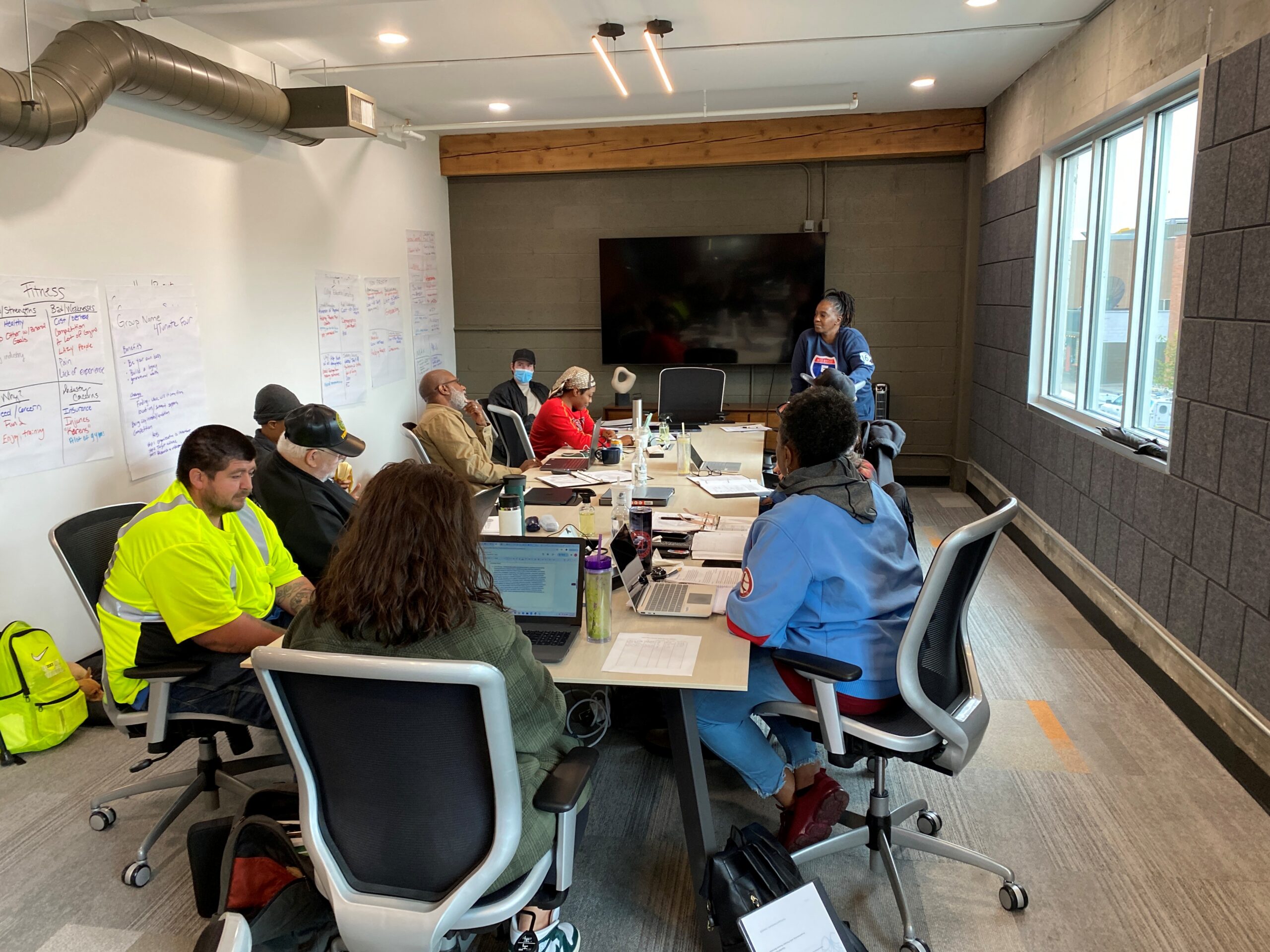
Articles and checklists can only take you so far. Actually building a business requires mentorship, accountability, and practice — and that’s exactly what Pioneer Human Services delivers through our Incarceration to New Ventures: Elevating Success Together (INVEST) program.
INVEST is an in-person entrepreneurship program based in Renton, Washington (just south of Seattle), built specifically for justice-involved individuals who are serious about launching a business. Participants can expect:
- Hands-on business education covering the skills and mindset needed to launch and grow a company
- Pitch sessions in front of real business leaders for high-stakes practice and real feedback
- Ongoing coaching and resources after graduation to support continued growth
INVEST graduate Adrianna described the experience this way: “Through INVEST, I gained the confidence to step into leadership as a business owner. I now analyze challenges critically, evaluate opportunities with a professional lens, and manage my finances with clarity. More than anything, I walked away with a renewed sense of belief in myself and my ability to build a sustainable and impactful business.”
The program is open to individuals with a criminal justice history who have stable housing (or are in a reentry facility) and can commit to in-person classes in Renton. Click here to apply, or reach the INVEST team at INVEST@p-h-s.com to learn more.
Start Your Business Right With Pioneer Human Services
Entrepreneurship after incarceration is, for many people, the smarter path. It sidesteps discriminatory hiring, builds long-term wealth, and creates the kind of stable employment that research consistently links to lower recidivism. With the right structure, the right funding strategy, and the right support system, building something of your own is achievable.
Start building with support from INVEST.
Pioneer Human Services empowers justice-involved individuals to overcome adversity and reach their full potential. With over 35 programs across the state of Washington, we’re working to eradicate mass incarceration through innovative programs and social entrepreneurship. Support our work today to help us provide counseling, career services, and — most importantly — hope.