
Navigating the Path Home: A Guide to Federal Residential Reentry Centers
Every year, tens of thousands of people complete state and federal prison sentences. Many returning citizens struggle to find housing, secure employment, or rebuild the family connections that can anchor a life. And without those foundations, the risk of reoffending climbs sharply.
However, individuals in federal prison are released to federal residential reentry centers that provide a bridge from incarceration back into the community.
What Is a Federal Residential Reentry Center?
A federal residential reentry center — often called an RRC, halfway house, or community corrections center — is a supervised residential facility where people transitioning out of federal prison spend the final months of their sentence. Placement is typically ordered by the Federal Bureau of Prisons (FBOP) and is authorized under the Second Chance Act and the First Step Act, landmark legislation designed to improve reentry outcomes and reduce recidivism.
Think of an RRC as a structured middle ground between incarceration and full independence. Residents live at the facility, follow a daily schedule, and participate in programming — but they’re also allowed to work in the community, reconnect with family, and begin putting the pieces of a stable life back together. It’s a deliberate, phased approach to reentry, and research consistently shows it works.
How Federal Reentry Programs Reduce Recidivism and Help with Community Reintegration
The link between quality reentry programming and lower recidivism rates is well-established. The challenges formerly incarcerated people face — unemployment, unstable housing, untreated substance use disorders, and strained family relationships — are the same factors most strongly associated with reoffending. Reentry programs address those challenges head-on and introduce protective factors against recidivism, such as community support, emotional stability, and access to health and social services.
Effective federal reentry programs typically provide:
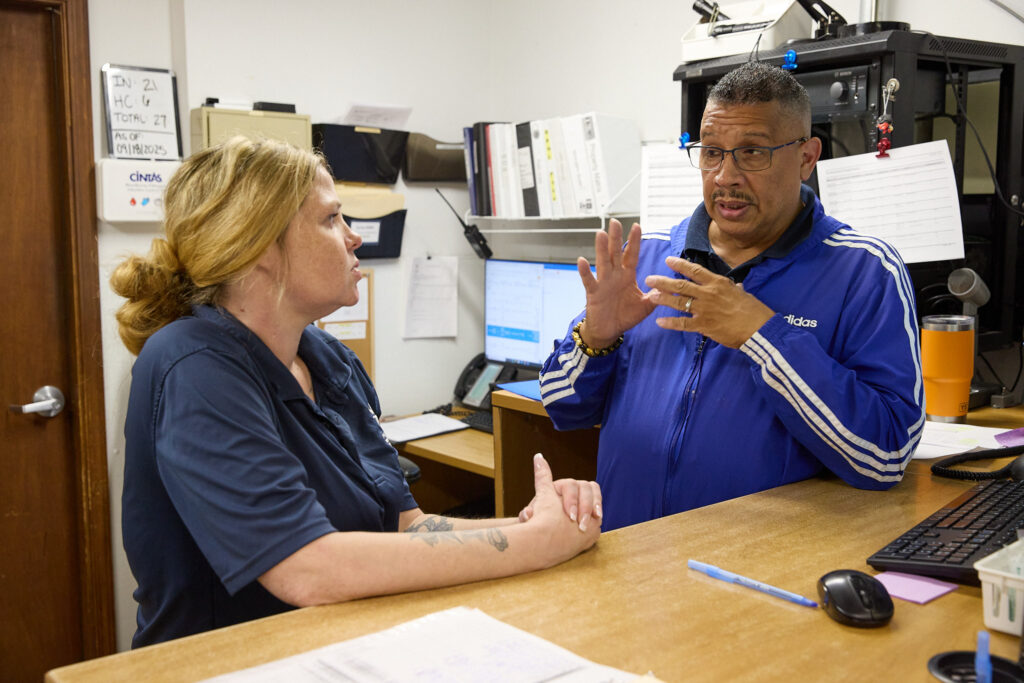
- Case management and reentry planning: Residents work one-on-one with a staff member to set realistic goals and coordinate the services they need to chart a path forward after release.
- Employment assistance and job skills training: Programs provide résumé help, online job search techniques, interview preparation, and connections to employers willing to hire people with conviction histories.
- Substance use and mental health treatment: Access to counseling, intensive outpatient programs, and relapse prevention education helps residents address the underlying issues that often contributed to their incarceration.
- Documentation assistance: Staff help residents obtain state IDs, driver’s licenses, and Social Security cards, which are frequently required before someone can apply for a job or secure housing.
- Education programs: From GED classes to vocational training, educational opportunities give residents the tools they need to improve their long-term earning potential.
- Financial planning: Residents learn budgeting skills and receive help managing debt, including restitution obligations they may be required to pay.
- Family and community reconnection: Visitation support and family-focused programming help residents rebuild the relationships that reduce isolation and create meaningful accountability.
Federal Residential Reentry Centers in Washington State
The state of Washington has four federally contracted residential reentry centers, each one operated by Pioneer Human Services (PHS). That means that every person coming home from federal prison to their Washington communities passes through one of our programs. It’s a remarkable scope of responsibility, and we at PHS are proud to meet it with effective and impactful reentry programming.
Here’s a closer look at each of our Washington facilities.
Pioneer Fellowship House — Seattle, WA
Pioneer Fellowship House is a 60-bed facility offering services including case management, substance use and mental health counseling, job and life skills training, education opportunities, financial planning, and documentation assistance. Staff work with residents from day one to secure the identification documents they need to apply for jobs and housing, get enrolled in medical coverage, and begin building a foundation.
“They started with the basics like helping me get my state identification card and social security card,” one resident named Robert shared, “and then we worked on signing up for medical assistance, and finding housing and employment. Overall, staff members here have really worked to get me back to being a productive member of society.”
Tacoma Residential Reentry Center — Tacoma, WA
The Tacoma Residential Reentry Center is PHS’s largest facility in terms of capacity, with 75 beds serving people returning to Pierce County and surrounding communities. Tacoma has invested significantly in reentry infrastructure as part of broader public safety and equity efforts, and our residential reentry center is a key part of that ecosystem.
Residents at the Tacoma RRC receive the same core services offered across our network: case management and reentry planning, documentation assistance, substance use and mental health treatment, job and life skills training, education programming, and financial planning. The center’s size allows it to serve a broad and diverse population while maintaining the individualized attention that makes reentry programs effective.
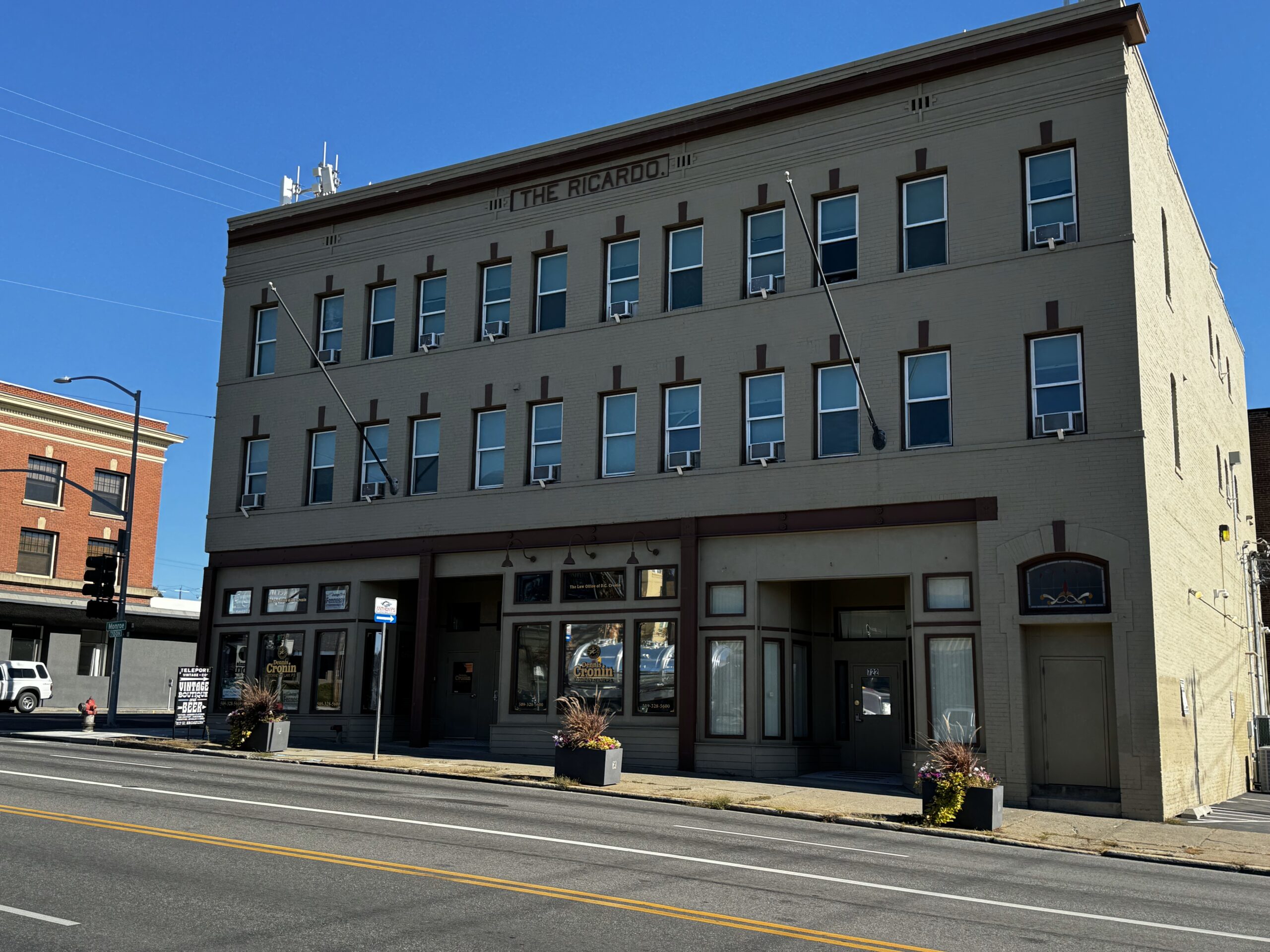
Spokane Residential Reentry Center: Site 1 — Spokane, WA
PHS operates two reentry centers in Spokane, reflecting the city’s role as a regional hub for federal reentry. Site 1, a 35-bed facility on East Ferry Avenue, offers a particularly robust suite of evidence-based programming tailored to address underlying risk factors for recidivism.
Services at Site 1 include:
- Moral Reconation Therapy (MRT): A structured cognitive-behavioral program, MRT helps residents examine their decision-making patterns and develop stronger ethical reasoning over time.
- Risk/needs assessment: Staff conduct individualized evaluations to identify each resident’s specific barriers, risks, and strengths before building a reentry plan.
- Substance abuse support: Services include assessment, intensive outpatient treatment, aftercare, and relapse prevention education to support long-term recovery.
- GED classes: Residents who need a high school equivalency diploma can work toward earning one during their time at the facility.
- Marriage and parenting classes: These sessions help residents build and maintain healthy family relationships, which research consistently identifies as a strong predictor of successful reentry.
- Domestic violence counseling: Residents who need to address domestic violence issues receive professional guidance in a structured setting.
- Anger and stress management: Staff members teach practical tools for managing difficult emotions and reducing stress in everyday life.
- Community transition skills training: Training designed to ease the practical and social challenges of returning to the community helps residents feel prepared for life after the program.
This depth of programming reflects the reality that people returning from federal prison often carry years of accumulated challenges that can’t be addressed with a single job placement or a list of referrals.
Spokane Residential Reentry Center: Site 2 — Spokane, WA
Spokane RRC Site 2, located downtown on West Broadway, mirrors Site 1 in both capacity (35 beds) and programming. Together, the two Spokane facilities allow us to serve a larger number of people returning to eastern Washington while maintaining manageable, community-scale environments.
Site 2 offers the same evidence-based services as Site 1, including MRT, substance abuse support, GED classes, victim awareness education, family programming, and community transition skills. Residents are encouraged to stay connected with family throughout their time in the program — a policy backed by research showing that family contact significantly improves post-release outcomes.
“I hope that my success is able to serve as motivation for others,” said Dillon, a former Site 2 resident. “It is proof that happiness — as well as redemption — are always achievable.”
A Legacy of Second Chances: Pioneer Human Services
Pioneer Human Services (PHS) serves people affected by incarceration, substance use disorders and mental health challenges in Washington state. As a nonprofit social enterprise, PHS runs its reentry centers alongside a broader network of services that includes behavioral health treatment, workforce training, and for-profit businesses that employ people with conviction histories.
Decades of experience, a deep network of community partnerships, and a genuine belief in human dignity and second chances make PHS one of the most trusted reentry providers in the Pacific Northwest.
PHS empowers justice-involved individuals to overcome adversity and reach their full potential. With over 35 programs across the state of Washington, we’re working to eradicate mass incarceration through innovative programs and social entrepreneurship. Support our work today, and help us provide counseling, career services, and — most importantly — hope.