
How to End Mass Incarceration: The Steps, Solutions, and People Leading the Way
Key Takeaways
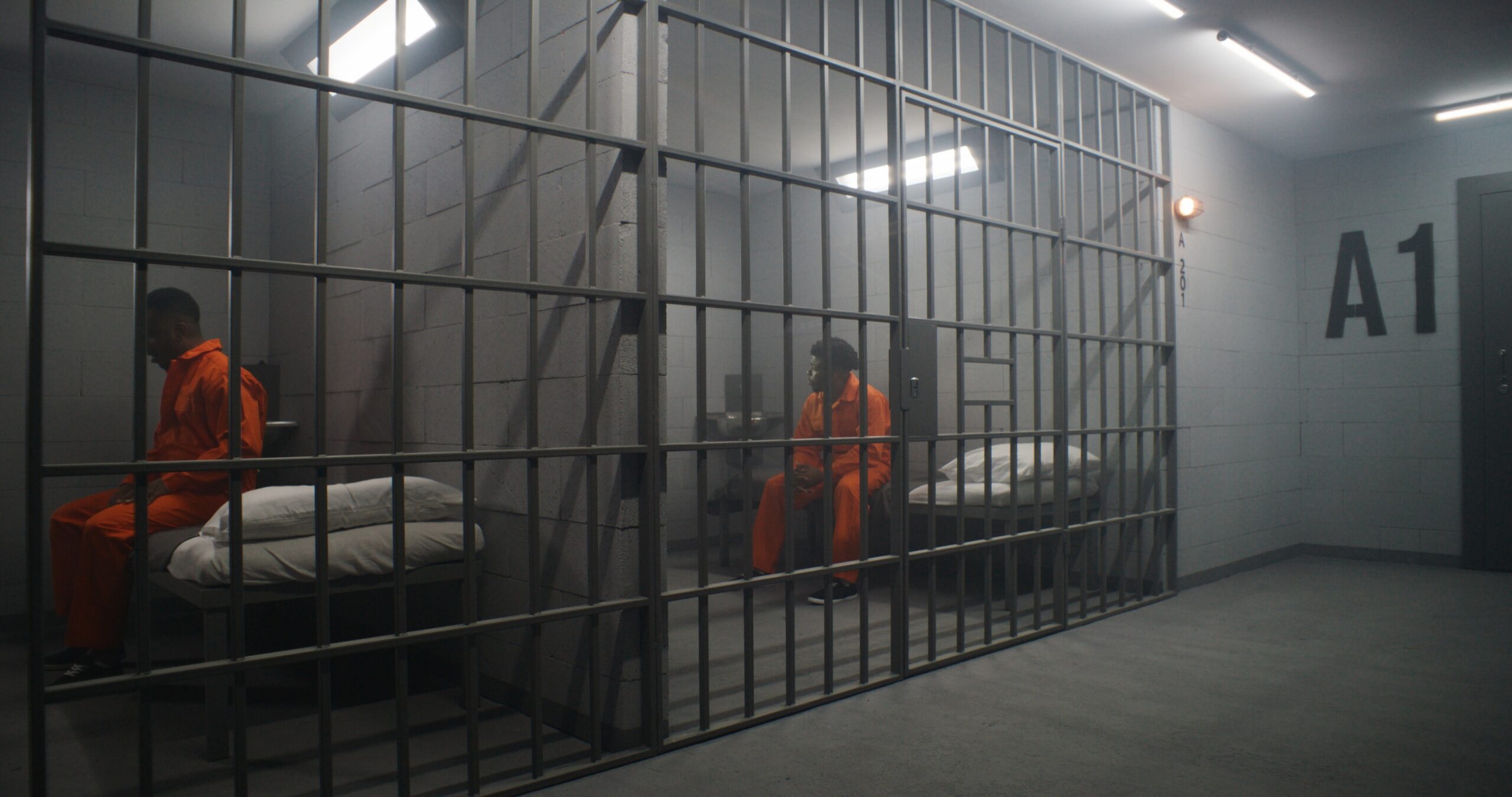
- The United States incarcerates nearly 2 million people — more than any other nation on Earth. This system costs over $445 billion annually, yet recidivism rates remain alarmingly high.
- Mass incarceration was built through decades of tough-on-crime policy, including mandatory minimum sentencing and a drug war that fell disproportionately on Black and Brown communities.
- Sentencing reform, diversion programs, and effective reentry support are key solutions for reducing the prison population.
- Pioneer Human Services, a Seattle-based nonprofit social enterprise, operates 35 programs across Washington state and reports a recent recidivism rate of just 3.2%, offering a proven model for what reform looks like in practice.
Every year, more than 600,000 people walk out of an American prison. They collect whatever belongings fit into a plastic bag, step through a gate, and face a world that has largely been designed to make them fail. No job. Often no ID. A criminal record that follows them to every application, housing lease, and background check for the rest of their lives. For many, the revolving door swings back within a year. That isn’t a coincidence; it’s a policy outcome. And it’s one that reformers, researchers, and organizations like Pioneer Human Services are working every day to change.
The Scale of the Problem: By the Numbers
Nearly 2 million people are currently held in prisons and jails across the United States — a population that has grown roughly sevenfold since the 1970s. Despite representing less than 5% of the world’s population, the US accounts for more than 20% of its incarcerated people.
The financial burden is equally striking. Across the broader legal and justice system involved in incarceration, the government and families of justice-involved individuals pay more than $445 billion annually. And all of this is an investment that largely fails to deliver. Within three years of release, nearly two-thirds of formerly incarcerated people are rearrested.
This is not public safety. This is expensive dysfunction.
The Roots of the Crisis: Race, Policy, and the War on Drugs
Mass incarceration was built policy by policy, through mandatory minimum sentencing, the criminalization of addiction, and a drug war that fell hardest on communities of color. The American Civil Liberties Union reports that sentences imposed on Black men in the federal system run nearly 20% longer than those imposed on white men convicted of similar crimes.
What Criminal Justice Reform Actually Looks Like
Sentencing Reform and Ending Mandatory Minimums
The 2018 First Step Act was a meaningful start; it restored judicial discretion and reduced certain mandatory minimums, resulting in sentence reductions for more than 4,000 people by January 2024. But there’s still much to be done, including fully repealing mandatory minimums for drug offenses and restoring federal parole.
Diversion Programs: Keeping People Out of the System Entirely
Diversion programs redirect individuals — particularly those dealing with mental health issues, addiction, or low-level offenses — away from prosecution and toward treatment. The results speak for themselves:
- A Harris County study found diversion reduced future convictions by 48% over ten years.
- Every dollar invested in drug treatment saves the system $12 by reducing future crime and health care costs.
- Pioneer Human Services reports a 75.4% diversion success rate across its Washington state programs.
Meaningful Reentry Support
Effective reentry is where the cycle of incarceration is most directly broken. Pioneer Human Services has built one of the most comprehensive reentry models in the country: Through a contract with the Federal Bureau of Prisons, Pioneer operates all four federal residential reentry centers in Washington state, providing housing, substance use treatment, employment assistance, mental health counseling, and documentation support. The organization also owns and operates aerospace manufacturing and food service businesses that employ people with conviction histories directly. Pioneer’s programs report a recidivism rate of just 3.2%, compared to a national average of about 28%.
Removing Barriers to Reintegration
Even motivated people face walls. Criminal background checks shut doors to jobs, housing, and professional licenses. Drug convictions can trigger lifetime bans from federal benefits. Pioneer Human Services addresses these barriers directly, offering employment programs and support services to justice-involved individuals.
Community-Based Mental Health and Addiction Treatment
A significant share of the incarcerated population has untreated mental illness, substance use disorders, or both. Expanding community-based behavioral health services is more humane and more effective than a cell.
A Model Worth Scaling
With over 35 programs across Washington state, Pioneer Human Services proves that alternatives to incarceration are viable and effective. Our vision is to eradicate mass incarceration through innovative social entrepreneurship. We believe that a world free from injustice, discrimination, and mass incarceration, provides everyone with the opportunity to live their lives to their fullest potential.
We believe that vision is achievable. It requires sentencing reform, investment in diversion and reentry, and the political will to follow the evidence. The solutions exist. Let’s use them.
About Pioneer Human Services
Pioneer empowers justice-involved individuals to overcome adversity and reach their full potential. With over 35 programs across the state of Washington, the organization offers innovative approaches to diversion, reentry, and employment.
As a nonprofit social enterprise, Pioneer operates mission-driven businesses that create jobs for individuals facing barriers to employment.
Learn more at: www.PioneerHumanServices.org.